DTH vs. Top Hammer Drilling: The Engineering Behind the Application

Analyzing Percussive Mechanics: The Core Choice

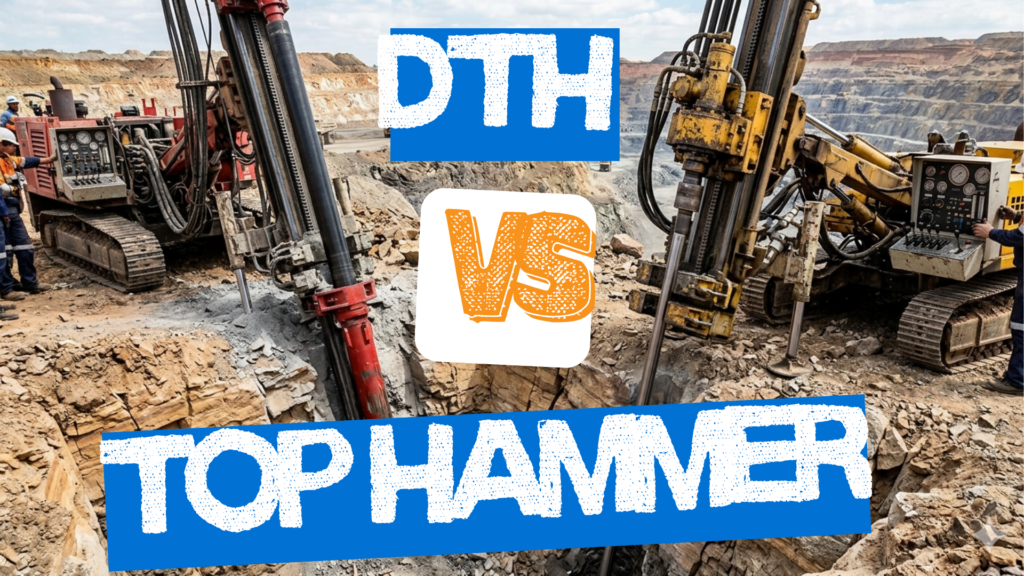
In rock drilling, selecting the right method isn’t a matter of brand loyalty or habit; it is a question of physics. When evaluating Down The Hole (DTH) versus Top Hammer drilling, the decision dictates the efficiency of your entire project, the wear rate of your tooling, and ultimately, your cost per foot.

While both systems are designed to crush rock through percussive force, they handle the mechanics of energy transfer in fundamentally different ways. Understanding the crossover point where one system outpaces the other is critical for optimizing performance in complex formations.

Top Hammer: Maximum Speed in Shallow Ground

The mechanics of a Top Hammer system are rooted in high frequency energy delivery. The drifter sits on the mast, generating percussive energy that travels down the drill string to the bit. Because the steel rod must transmit both the rotation and the impact waves, the physics of this system favor shorter hole depths.

In the right application, typically shallower profiles, smaller diameters, and non caving formations, Top Hammer drilling is exceptionally fast. The penetration rates are high because the piston strikes the steel at a very high frequency, shattering the rock rapidly before the energy has a chance to dissipate.

However, Top Hammer systems face a strict mechanical limitation when pushed past their intended depth. As the hole gets deeper and more drill steel is added, the impact wave has to travel through more joints. Every thread interface absorbs and dissipates a percentage of that energy. Eventually, you hit a point of diminishing returns where the energy hitting the bit is significantly lower than the energy generated at the drifter, leading to increased deviation and accelerated thread wear.

DTH: Consistent Energy at Depth

Down The Hole drilling solves the energy dissipation problem by moving the hammer to where the work is actually being done, right behind the bit. In a DTH setup, the drill string does not transmit the percussive blow; it simply provides rotation and feeds the high pressure air that drives the internal piston.

Because the hammer strikes the bit directly at the bottom of the hole, the energy transfer remains constant, regardless of depth. There is virtually no loss of impact energy through the drill string because the strike happens right at the rock face.

From an engineering perspective, this makes DTH the definitive choice for deeper holes, larger diameters, and hard, competent rock formations. Because the drill tubes are rigid and experience less axial shock than Top Hammer rods, hole straightness is significantly improved. The trade off is frequency: DTH hammers operate at a lower blow rate than a top hammer drifter, meaning in shallow, softer ground, they will generally be outpaced by a Top Hammer setup.

The Crossover Point: Advantages and Disadvantages

Choosing between the two methods requires a clinical look at your specific project parameters. It isn’t just about depth; it’s about geology and fleet management.

  • Top Hammer Advantages: High penetration rates in shallow ground, faster setup times, and highly efficient in smaller hole diameters.
  • Top Hammer Disadvantages: Rapid energy loss as depth increases, higher risk of hole deviation on longer runs, and accelerated tooling fatigue caused by reflected shock waves bouncing back up the string into the threads.
  • DTH Advantages: Constant energy transfer independent of depth, exceptional hole straightness due to rigid guide tubes, and longer tooling life in deep, hard rock applications.
  • DTH Disadvantages: Slower penetration speeds in shallow or soft formations compared to high frequency systems, and higher volume air compressor requirements to properly cycle the hammer at depth.

Conclusion

There is no universal winner between DTH and Top Hammer. True efficiency comes from matching the system to the geology and the specific profile of the project. A mass produced catalog will tell you what a tool can do, but a technical understanding of energy transfer tells you what it should do.

By analyzing the physics of the application rather than just the equipment specs, contractors can ensure they are deploying the right method for the right ground, minimizing wear, maximizing energy, and keeping the rig turning efficiently.

Preventing Premature Wear: An insight to ROI

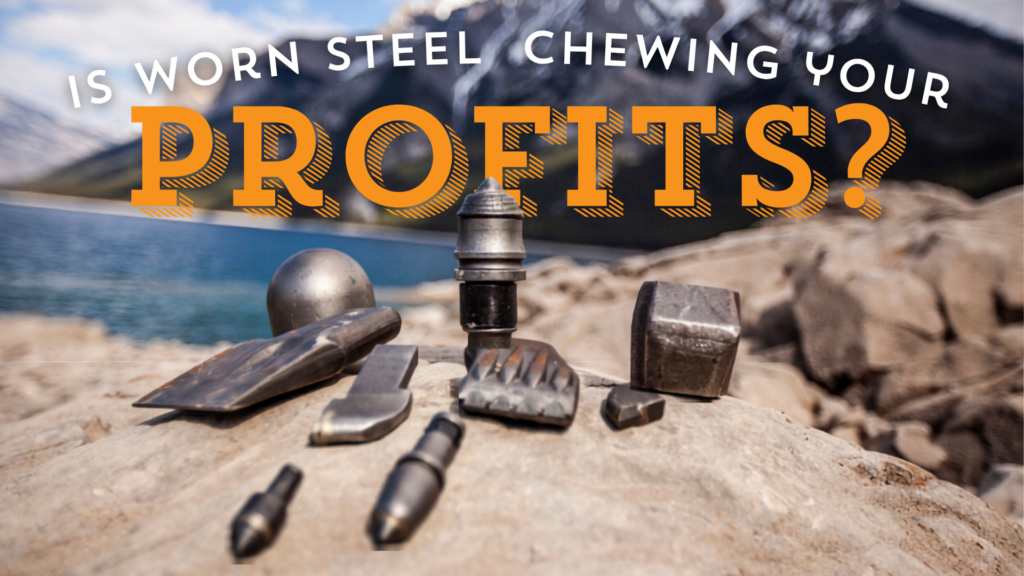
In the drilling industry, wear is an inevitability. Every meter drilled is a battle between the equipment and the geology, and eventually, the geology wins. However, there is a significant difference between natural wear and premature failure. When a crossover, sub, or manifold fails before its time, it’s more than just an equipment cost, it’s a symptom of a deeper technical misalignment that drains project ROI through downtime and lost production. As a leader in custom manufacturing, Pinnacle Drilling views tool wear not as a “cost of doing business,” but as a data point. By understanding the specific mechanics of why equipment fails, we can engineer the solutions that extend their lifecycle.

The Mechanics of Accelerated Failure

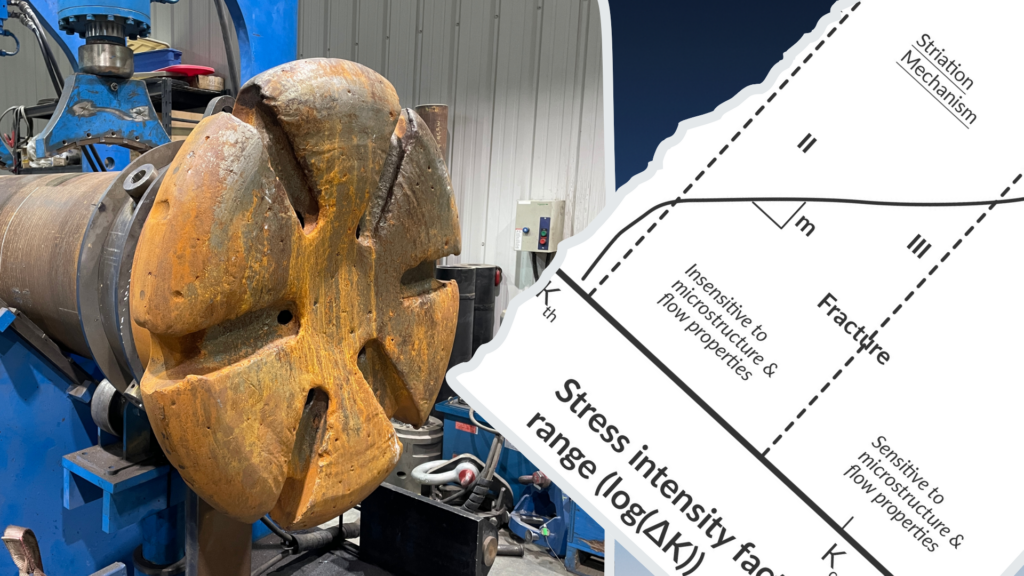
Most premature wear isn’t caused by a single catastrophic event, but by subtle factors that occur long before the tool reaches the rig floor. It often starts with misaligned metallurgy; standard components are typically built for a generic average of conditions, but the Canadian landscape rarely offers an average day. If the steel’s hardness and grain structure aren’t perfectly matched to the abrasiveness of the formation, you get a “sandpaper effect” that strips the tool’s profile far faster than anticipated. This is often exacerbated by poor flow geometry. In high-pressure applications, if the internal transitions of a sub or manifold aren’t precision-engineered, the resulting turbulence creates internal hot spots and erosion. Instead of a consistent stream, the air or fluid creates a “cyclone” effect that degrades the metal from the inside out, leading to micro-cracking and eventual structural fatigue.

This mechanical stress is often compounded by the parasitic vibration that comes from “make-do” solutions. When a contractor is forced to use an adapter or a crossover that doesn’t perfectly align with the specific torque demands of their string, the resulting harmonics don’t just wear the tool they vibrate the entire assembly. This creates unnecessary stress at every thread and connection point, leading to premature fatigue that can be traced back to a single poorly fitted component. By focusing on these underlying physics, we can move the “failure point” from the field to the engineering phase, ensuring the equipment is built to deflect wear rather than just absorbing it until it breaks.

The Role of Custom Engineering in Prevention

The most effective way to prevent premature wear is to utilize a feedback loop between the shop floor and the field. At Pinnacle, we don’t just build to a generic spec; we build to a scenario. By studying components that have come back from the field “worn out,” we identify the exact patterns of failure and feed that data back into our engineering department. Before a custom crossover or specialized manifold is even fabricated, we use technical reviews and CAD modeling to simulate the stresses it will encounter. We analyze how the metallurgy handles the specific abrasiveness of the target ground and how the internal geometry manages flow under pressure.

This marriage of technical science and hands-on fabrication is what allows us to produce specialized components that are intentionally over-engineered for the “worst-case” scenario. If we know a client is heading into a project with high torque requirements and abrasive geology, we don’t just provide a standard sub—we engineer the body geometry and selecting the alloys to ensure the tool stays in the hole longer. It is an iterative process of constant improvement that ensures that when a piece of gear leaves our floor, it’s been grit-tested before it ever hits the dirt.

Conclusion: Protecting Your Performance

In an industry where uptime is the only metric that matters, the goal isn’t just to replace gear it’s to prevent the wear from happening in the first place. By focusing on precision metallurgy, flow dynamics, and project-specific engineering, Pinnacle Drilling is helping our partners move past the “standard” lifecycle of their equipment. We’re proud to lead the industry in building tools that aren’t just field-ready, but are engineered to perform better and protect the bottom line of every project we support.

Custom Manufacturing: A Strategic Asset in Drilling

In the modern drilling landscape, the margin for error is thinner than ever. As projects push into more challenging geologies and deeper depths, the industry is hitting a critical realization: the “standard” equipment catalog has its limits. When a project moves from routine to complex, the success of the operation often hinges on the ability to bridge the gap between off-the-shelf components and the unique demands of the job site.

At its core, custom manufacturing isn’t just about “making parts.” It is a strategic response to the logistical and mechanical bottlenecks that can stall a multi-million dollar project. As a leader in the custom manufacturing space, Pinnacle Drilling has spent years at the intersection of field data and precision engineering, providing the technical edge that keeps rigs turning when standard gear fails.

Solving the Logistical Bottleneck: The Yard as a Profit Center

The complexity of a project isn’t always found downhole; often, it’s found in the friction of the supply chain. One of the most persistent drains on a project’s timeline is the reliance on third-party facilities for essential maintenance and assembly. Every time a drill string component needs to be made up or broken down to specific torque requirements, the “standard” move is to send it out.

However, in a high-stakes environment, being at the mercy of another shop’s lead times and the rising costs of transport is a liability. This is where Pinnacle’s manufacturing leadership shifts the power back to the contractor. By engineering stand-alone, heavy-duty breakout tables tailored to a specific fleet’s torque demands, we’ve seen partners reclaim their independence. Having that capability in their own yard or on-site doesn’t just cut out the middleman; it turns the yard into a profit center by keeping the timeline and the costs under the contractor’s direct control.

Engineering for Diversity: The Future-Proof Solution

True technical leadership goes beyond solving today’s immediate mechanical hurdle; it’s about anticipating the next one. Standard manufacturing focuses on the “now,” but custom manufacturing allows for a level of diversity that protects a customer’s long-term ROI.

We recently worked with a partner who required a specialized air manifold with specific design needs for their current project. However, they also recognized that their fleet and project demands would likely evolve. Our engineering team designed a solution that met their immediate flow requirements while building in the diversity needed for “future-proofing.” By incorporating adaptable configurations, we ensured that this manifold remains a versatile asset as their fleet scales, rather than a one-off purchase for a single job.

The Feedback Loop: Where Engineering Meets the Dirt

What sets Pinnacle apart as a manufacturing leader is the constant feedback loop between the shop floor and the field. Custom manufacturing allows for a level of iteration that mass production cannot match. When field data shows specific wear patterns or unique job site challenges, that information flows directly back to our engineering department.

Before the first spark flies in the shop, CAD modeling and technical reviews are used to identify potential failure points. This background ensures that every weld and every thread is intentionally over-engineered for the “worst-case” scenario. It’s this marriage of technical science and hands-on fabrication that allows us to produce specialized components that others simply won’t touch.

Conclusion

As drilling projects become more technically demanding, the role of custom manufacturing will only continue to grow. It provides the flexibility to adapt to the unpredictable, the independence to control project timelines, and the technical edge to maximize rig performance. In an industry driven by uptime and efficiency, Pinnacle Drilling remains committed to building exactly what the dirt demands by setting the standard for success in the field.

Reflection and Connection – Looking back on the ConExpo 2026 experience

Now that the dust has settled and the equipment is back from the desert, we have finally had a moment at Pinnacle Drilling to sit back and reflect on the whirlwind that was ConExpo. It is easy to get caught up in the sheer scale of an event of this magnitude – the miles of walking, the massive iron, and the endless sea of neon – but looking back, what stands out most is the quality of the conversations we had and the strength of the partnerships that define what we do.

Walking through the show, it was clear that the industry is at a point where efficiency and specialized expertise are more valuable than ever. We felt that shift personally at our display this year. One of the undisputed highlights for the team was seeing the reaction to the XXXL Pile Cropper. There is a specific kind of appreciation that comes when people see it in person; it allows them to appreciate the build quality and the sheer capability of the tool in a way a brochure simply cannot capture. The interest was constant, and it served as a great reminder that when you lead with quality, the right people take notice.

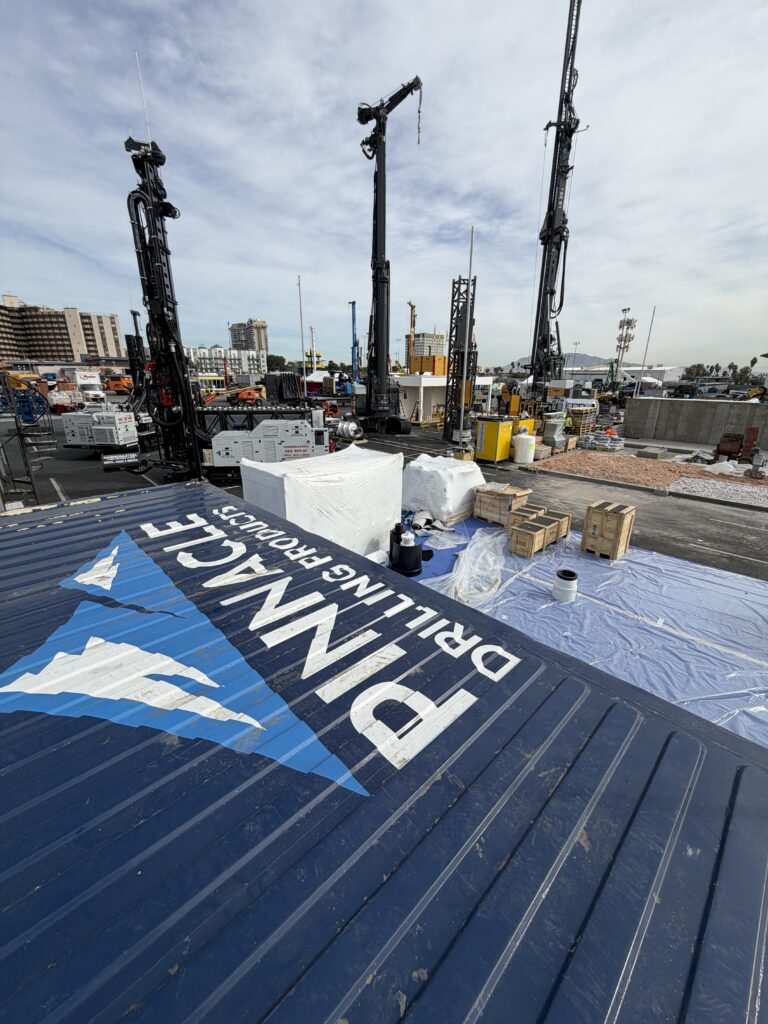
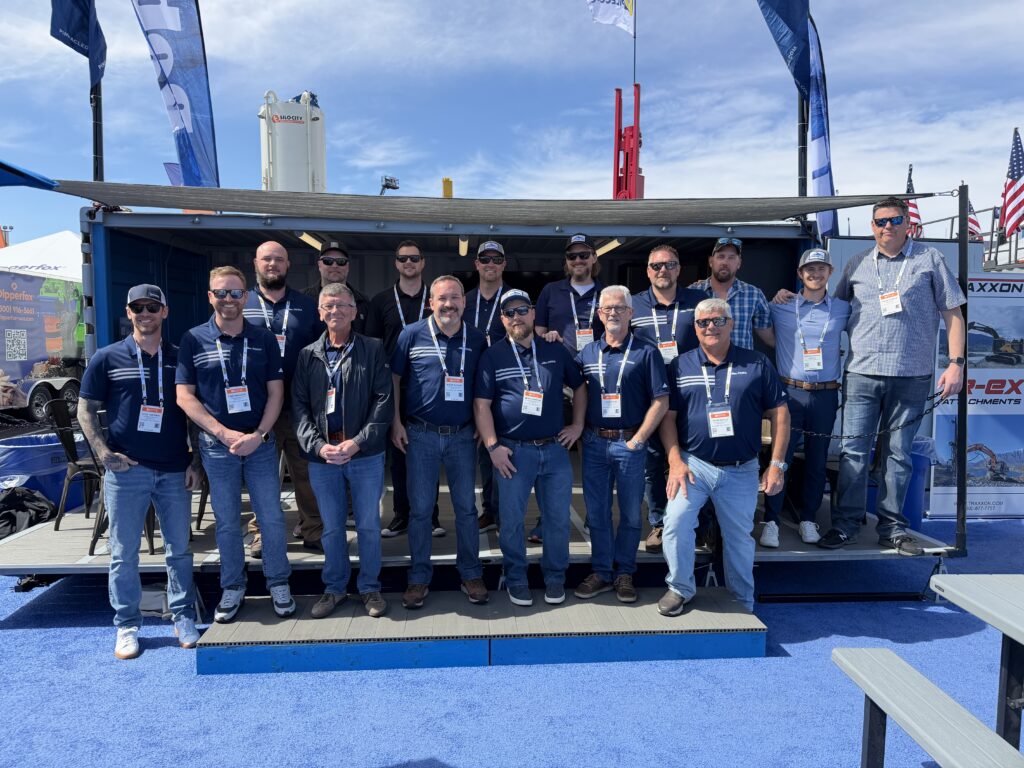
Beyond the hardware, we wanted to offer something a bit different this year by creating a space that felt less like a sales floor and more like a destination. That is where the Rig & Whistle shined. Our custom hospitality container, converted from a sea can into a fully equipped lounge and bar area, proved to be a welcome sanctuary from the relentless Nevada sun. Needless to say, it turned out to be a massive hit. Having a dedicated place to sit down, grab a cold drink, and watch our latest project highlights on the big screen changed the entire dynamic of the show. It transformed a quick “passing by” into a meaningful “sitting down,” allowing for the kind of deep-dive technical discussions that just do not happen when you are shouting over the noise of the crowds. The atmosphere was high-energy yet relaxed, and it was rewarding to see so many people treating our booth as the go-to spot to decompress and talk shop.

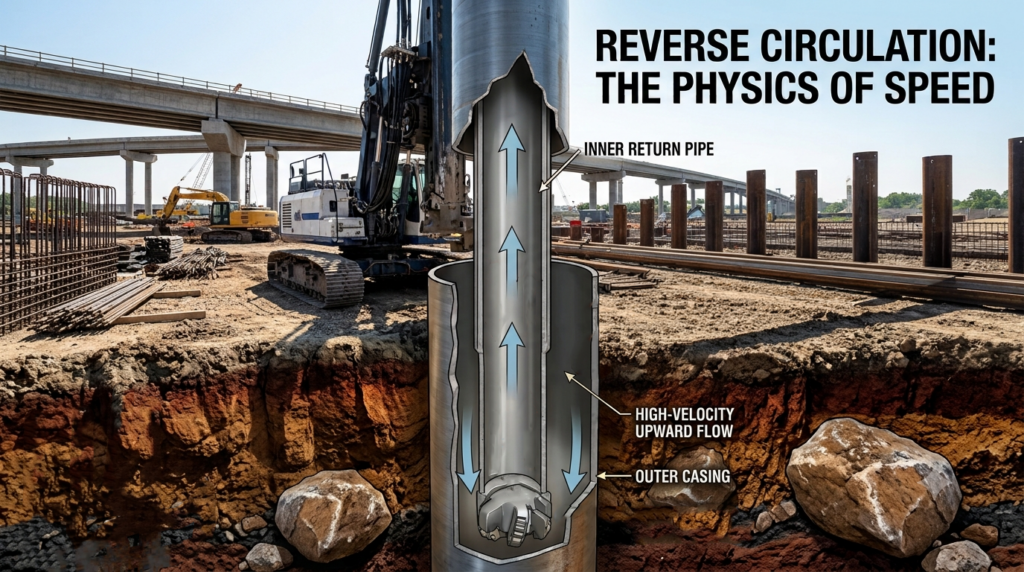
Those moments in the Rig & Whistle were where we really got to share our expertise, specifically regarding our work in reverse circulation. This is an area where we have doubled down on our technical capabilities, and being able to walk through those workflows in such a comfortable setting was invaluable. It also gave us the perfect backdrop to showcase the collective strength of our network. Having the teams from Robit and National Pile Cropper right there with us was a point of pride for Pinnacle. It demonstrated the breadth of what we bring to the table – a range of superb products backed by people who truly understand the demands of the field.

Perhaps most encouraging was the variety of reasons people chose to spend their time with us. For many, it was simply about catching up; those everyday conversations are the foundation of the personal relationships our sales team works hard to maintain with every customer. For others, the booth served as an informal education session, where we could share new ideas and innovative ways to approach difficult drilling conditions. Whether it was a technical deep dive or a casual check-in, the underlying theme was the same.

Ultimately, the turnout confirmed that our customers appreciate that we genuinely care about their projects. We are not just looking to move equipment; we are looking for ways to help our partners overcome their specific challenges on-site. We are walking away from this year’s show feeling incredibly pleased with the exposure and the genuine sentiment from everyone who joined us. It was a privilege to host so many familiar faces and new contacts alike, and we look forward to carrying this momentum into the rest of the year as we continue to support your success in the field.