
How a Small Part Ruins a Big Tool
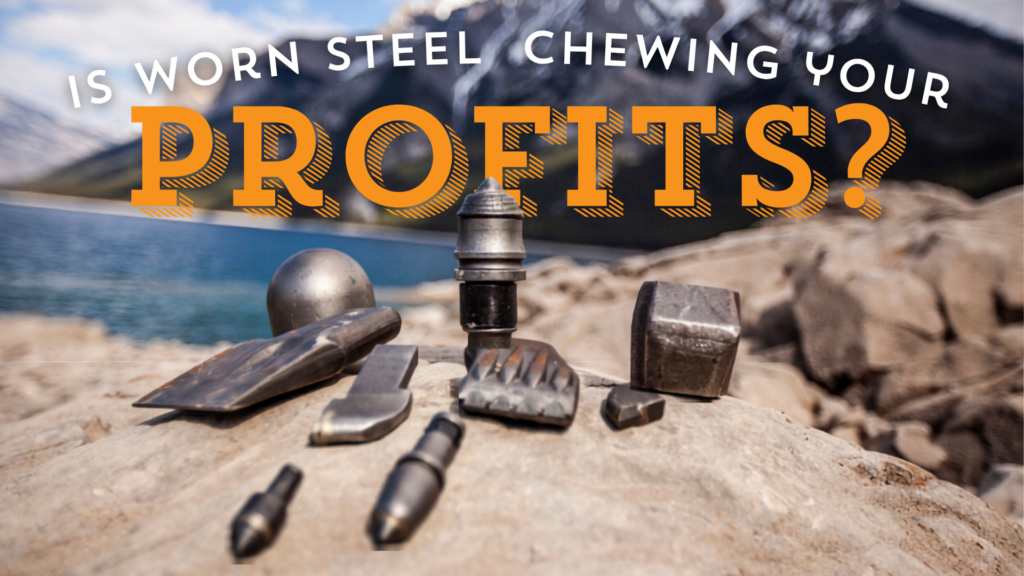
In foundation drilling, augers, core barrels, and drilling buckets are built to take a beating. But even the toughest steel has a threshold. Field crews often focus on the carbide teeth at the very front of the cutting edge, replacing them as they wear down. However, there is a small, critical component sitting right behind those teeth that frequently gets overlooked: the weld on tooth pocket.
When a tooth pocket begins to deform, thin out, or cup from constant abrasion, it stops doing its primary job. A worn pocket changes the angle of the tooth, causing ground forces to bypass the carbide tip entirely. Instead of the tooth taking the brunt of the impact, those crushing forces drive directly into the pocket weld and the base steel of the tool. Running a tool with compromised pockets is a fast track to grinding away your flighting or ripping open a core barrel shell.
The Chain Reaction: What Happens When Pockets Are Ignored
A tooth pocket is designed to act as a protective barrier and a rigid holder for your wear parts. When a pocket is left on a tool past its service life, a costly chain reaction begins. As the pocket metal thins out, the fit becomes loose, allowing the tooth to wobble during rotation. This wobble creates uneven stress points across the cutting face, leading to fractured teeth and severe vibration throughout the drill string.
Eventually, the wall of the pocket gives way completely, exposing the parent steel of the auger flight or barrel body to direct rock contact. Repairing a worn pocket takes minutes with a simple weld. Rebuilding a gouged auger flight or replacing a distorted core barrel, on the other hand, costs thousands of dollars and creates severe job site downtime.
Preserving Attack Angles: The Key to Penetration Speed
Beyond protecting the tool body, healthy tooth pockets ensure that your gear maintains its engineered attack angle. Tooth pockets are welded at precise angles so that the carbide tip fractures the ground efficiently. When a pocket wears down, that angle flattens out.
Instead of fracturing rock or hard soil, the tooth begins to drag and scrape along the bottom of the hole. This flat angle drastically reduces penetration rates, forces the rig to apply excessive pull down pressure, and burns unnecessary fuel. Keeping sharp, properly angled pockets on your tools ensures that every foot pound of energy from the rig goes directly into breaking ground rather than damaging your equipment.
Job Site Strategy: Simple Maintenance That Saves Tooling
Preventing major tooling failure comes down to simple shop and field habits. Inspecting tooth pockets should be a standard part of every post shift cleanup. If a pocket shows thin sidewalls, cracked welds, or rounded edges that allow the tooth to slip, it should be cut off and replaced immediately.
Keeping a steady supply of replacement pockets, weld on blocks, and pilot bits directly in the field yard ensures your maintenance hands can weld on a fresh pocket the moment wear appears. Proactive pocket replacement is the cheapest insurance policy available for your high value foundation tools.