Navigating High Capital Intensity in Deep Foundations
In the deep foundation sector, equipment strategy has traditionally been driven by specialization. When a project called for large diameter drilling, reverse circulation, or complex casing advancement, the standard response was often to evaluate new, purpose built machinery. However, in today’s economic climate, high interest rates and substantial capital expenditure requirements have shifted how fleet managers and executives view asset acquisition. Purchasing specialized, single purpose rigs for specific job specs can lock up significant capital and leave expensive assets idling between specialized contracts.
Following recent discussions on drilling physics at industry technical seminars, a broader operational question emerged regarding how contractors can expand their capabilities without overextending their capital budgets. The answer increasingly lies in fleet adaptability and modular equipment integration.
Unlocking new drilling capabilities does not always require adding another carrier unit to the yard. Modern engineering allows contractors to adapt existing assets to meet specialized project requirements, lowering capital intensity while improving overall fleet utilization. Most foundation contractors already maintain robust fleets of rotary Kelly rigs, standard drill rigs, or cranes. By utilizing modular conversion kits, such as retrofitting existing rotary setups for reverse circulation or mounting specialized drill systems beneath hanging leads, contractors can transform familiar machinery into high performance systems. This keeps existing fleet assets actively generating revenue on job sites that would otherwise require hired specialty gear.
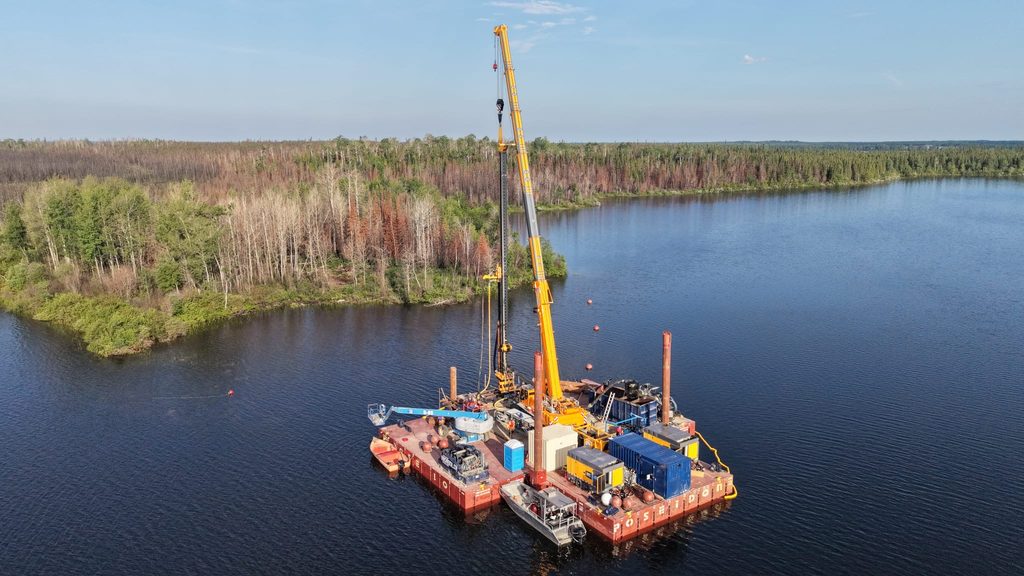
Bidding on projects with unique ground conditions or complex specs can often feel like a double edged sword. Winning the work is great, but purchasing custom machinery solely for one job creates long term asset risk if similar work is not immediately queued up. Modular adaptations provide a lower risk entry point, allowing contractors to competitively bid on complex infrastructure without taking on long term debt. At the same time, deploying entirely new rig platforms introduces steep learning curves for field crews and maintenance teams. Adapting core equipment platforms that operators and mechanics already know reduces setup delays, minimizes training downtime, and keeps parts logistics straightforward across the company.
Beyond capital savings on the purchase order, there is a distinct job site advantage to operating right sized, adapted machinery. Transporting massive, over spec’d specialty rigs to a project introduces substantial mobilization costs, complex permitting requirements, and heavy site prep constraints. When a contractor can modify a mid sized carrier unit already in their yard to handle complex tooling, the job site footprint shrinks, fuel consumption drops, and daily operational overhead stays lean.
This approach also fundamentally changes how fleet managers evaluate the lifespan of their iron. High hour, fully paid off rigs that might otherwise sit idle in the equipment yard can be given a secondary life through modular upgrades. Integrating specialized air manifolds, custom valving, or conversion packages breathes new utility into existing machines, turning older assets back into primary revenue generators while keeping maintenance routines familiar for shop mechanics.
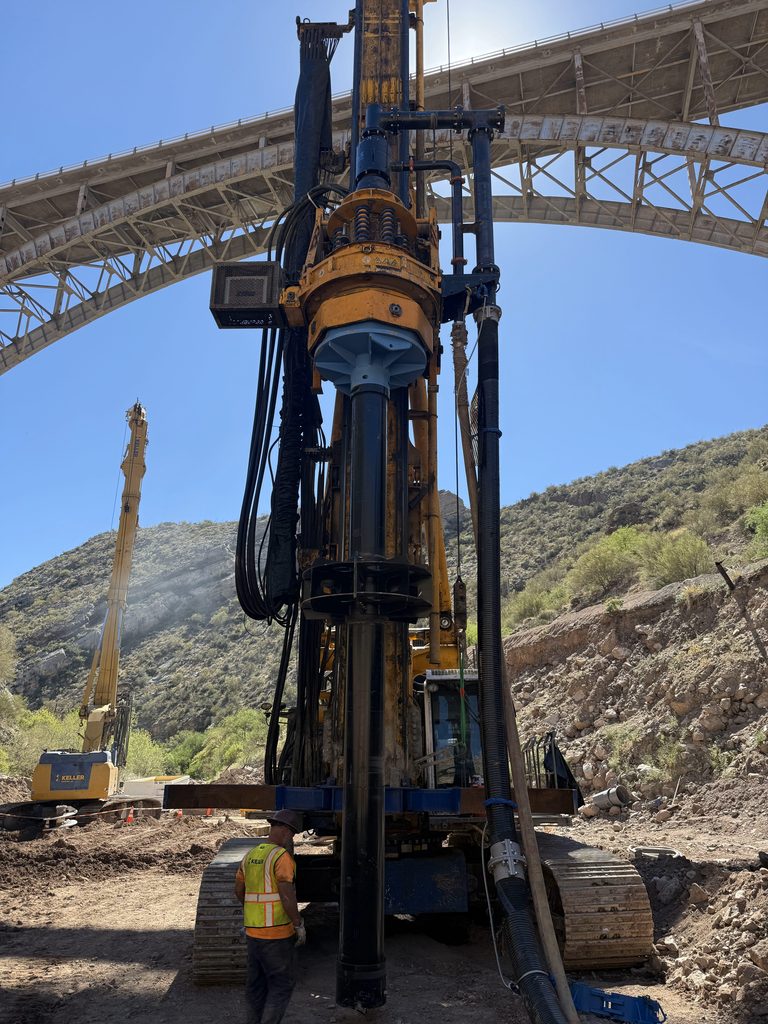
Ultimately, the most successful equipment adaptations are not developed in isolation. They come from close collaboration between field superintendents who understand the immediate realities of the dirt, and technical teams who understand load dynamics and fluid mechanics. At Pinnacle, this collaborative spirit drives how we approach every equipment challenge, working as technical partners rather than equipment salespeople to help contractors engineer practical solutions for their specific job site bottlenecks. When field experience and custom manufacturing align, the result is a durable, cost effective setup built specifically for the ground conditions at hand.
As infrastructure projects present tighter margins, varied ground conditions, and stricter schedules, the most resilient foundation fleets will not necessarily be the largest or most expensive. They will be the most adaptable. By prioritizing modular engineering and practical fleet adaptations, contractors can continue taking on challenging work while keeping capital allocation disciplined, sustainable, and lean.